
The kennel journal
Nova Scotia Duck Tolling Retriever: A Versatile and Loving Dog
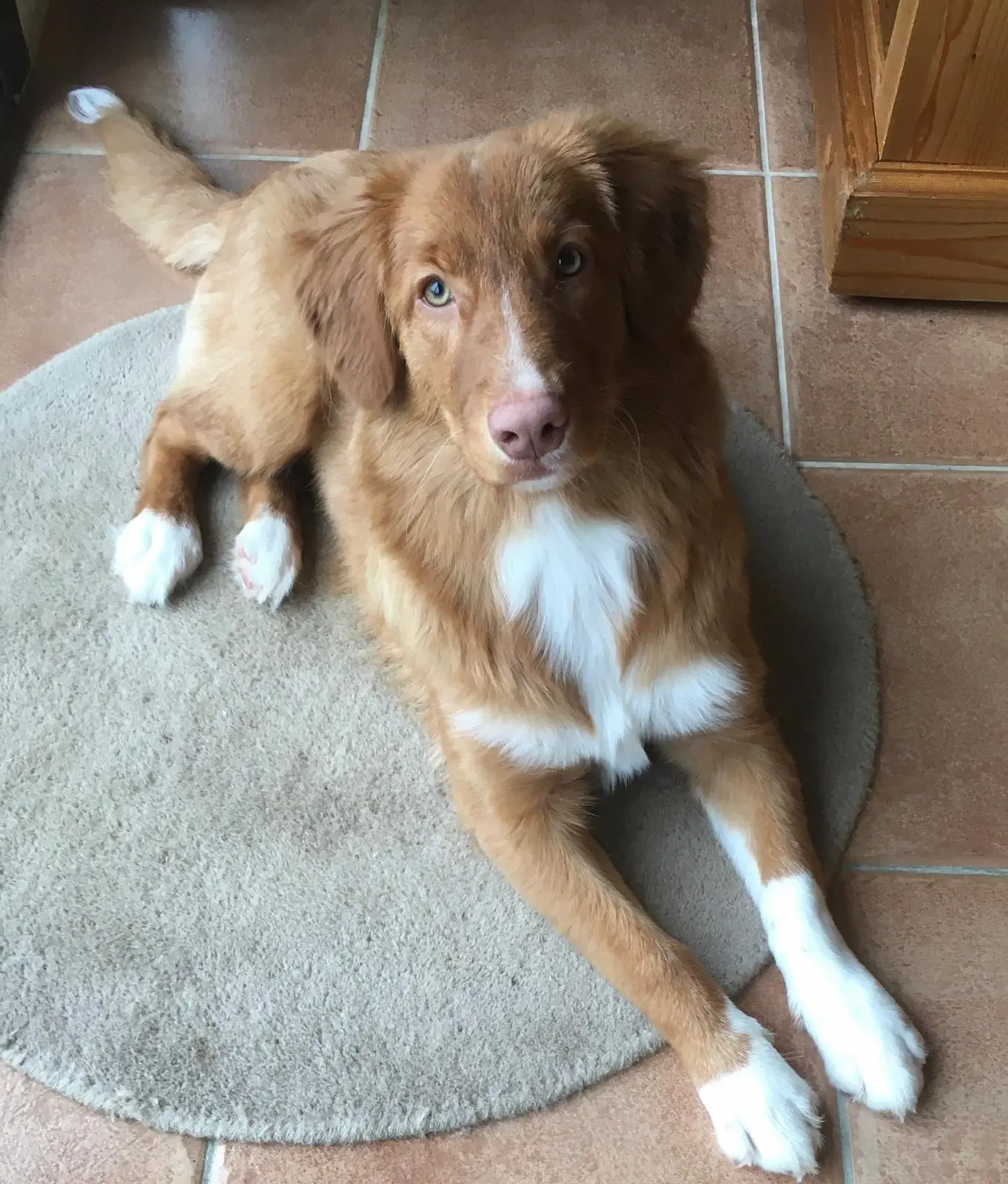
The Nova Scotia Duck Tolling Retriever, commonly called a Toller, is a dynamic and intelligent breed appreciated by both hunters and families. Less well known than the Golden Retriever or the Labrador, this breed deserves a closer look from dog lovers and active families alike.
Origin and History
This breed was born in the Canadian province of Nova Scotia in the early 1800s, developed by hunters seeking a dog capable of luring and retrieving waterfowl. Breeders crossed Retrievers, Setters, Collies, and spaniels to create an energetic, enduring, and obedient companion. The breed received official recognition from the Canadian Kennel Club in 1945, followed by the Fédération Cynologique Internationale in 1981. Today, while still used for hunting, it is also a much-loved family companion, known for its intelligence and gentleness.
Physical Characteristics
The breed has an elegant, athletic look, a compact build, and a distinctive red coat. Key characteristics include:
- Height at the withers: 45-54 cm
- Weight: 17-23 kg
- Lifespan: 12-14 years
- Coat color: red to rust with white markings
- Coat type: medium-length, dense, water-resistant
- Eyes: amber to hazel
- Ears: medium, hanging
Its thick, water-resistant double coat allows it to swim in cold, damp conditions.
Temperament and Character
The Toller shows remarkable versatility, combining several positive qualities.
Energy and athleticism: needs daily exercise; excels in agility, obedience, canicross, and canine sports; loves swimming and retrieving.
Affection and sociability: deeply attached to its family; good with children and other animals; rather reserved with strangers but never aggressive.
Intelligence: learns quickly; enjoys working; adapts well; needs constant mental stimulation to avoid boredom.
The Nova Scotia Duck Tolling Retriever does not enjoy prolonged solitude and needs contact and activity to thrive.
As a Family Companion
Although originally a hunting dog, the Toller fits very well into family life under the right conditions.
Apartment living: possible, provided it gets enough daily exercise and outings.
Diet: requires a balanced, protein-rich diet to support its energy and physical activity.
Grooming: brushing 2 to 3 times a week to prevent matting; regular ear cleaning to prevent infections; checking paw pads after outdoor activities.
Advantages and Points of Attention
Positive traits: intelligent and obedient; athletic and versatile; easy to train with positive methods; devoted to its family.
Points requiring attention: needs significant exercise and mental stimulation; rather reserved with strangers; dislikes solitude.
Conclusion
This breed makes for an energetic, intelligent, and loyal companion. It suits active owners and dynamic families in search of an adventure partner, and its lively, playful temperament rewards anyone ready to offer it an active lifestyle.